Power Symbols
Power can mean a lot of things. It may symbolize strength, control, influence, rule, supremacy, energy and many other words. With these many definitions of this word, many power symbols also came into being. Here are some interesting symbols of power that every person should know about.
The Reiki Power Symbol – “Choku Rei”
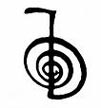 | This power symbol is likened to a power switch that can be used for various purposes. Basically, though, the Reiki means that one’s intention always rules over what happens. The Reiki can focus on providing power or energy to specific body parts. At times, one can use it as a light power switch to increase one’s healing powers. |
|---|
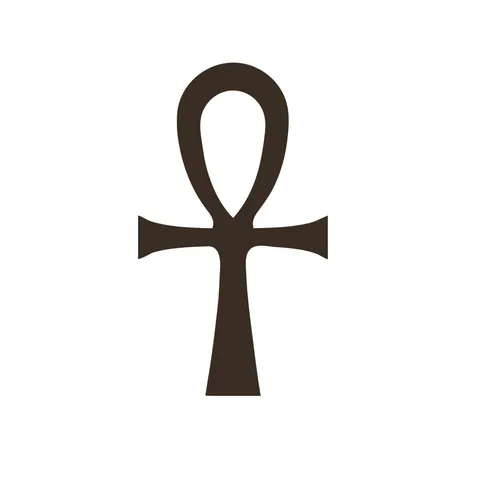
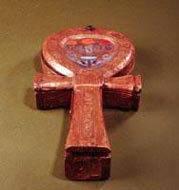
The Ankh
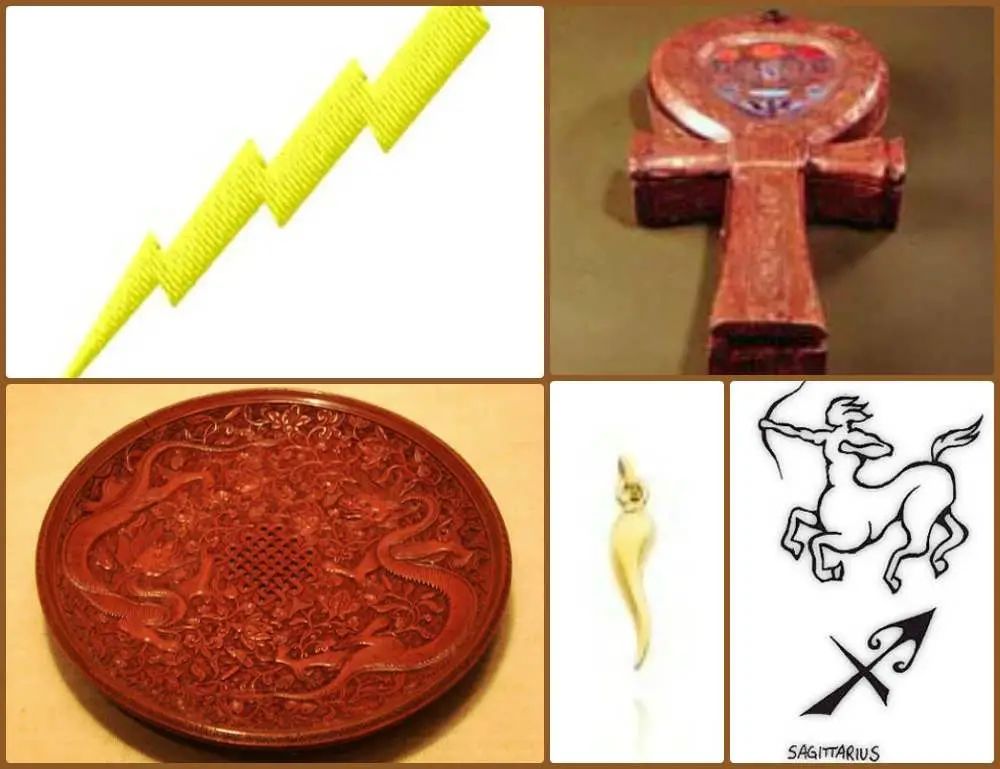
This is traditionally known as an Egyptian symbol that denotes rebirth as well as mythical eternal life. The power part of this symbol epitomizes the strength and the life that one can draw from the sun.
The Lion
 | The Lion is not merely a symbol of power in the ancient world. It also indicates bravery and ferocity, which typifies the animal kingdom’s so-called “king of the beasts”. Traditionally seen as symbols in flags, heraldic shields, and banners in Medieval Europe, this power symbol is now used to signify other things. |
|---|
The Arrow
| The Arrow is known to be a symbol of power since ancient times. But aside from manifesting power, this symbol also shows swiftness and knowledge. The Arrow, at times, is also used by the Greek goddess Artemis and the Greek god Apollo, who were both known as hunters. The Arrow is also famous as a significant symbol used by the Greek god Eros, the Roman god Cupid, and the Hindu god Kama – all are known as gods of sexual attraction. In the Native American culture, there are also sacred medicine arrows that symbolize the power of men. | 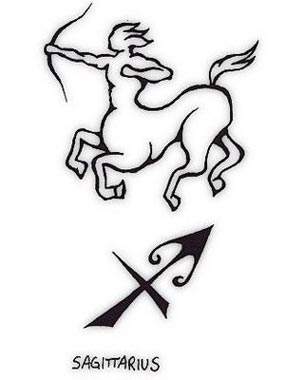 |
|---|
The Circle
Some of the most common characteristics that the Circle is known for are unity, infinity, and wholeness. But then, this ancient symbol also means female power. As such, it signifies the force or spirit innate in every woman.
The Dragon
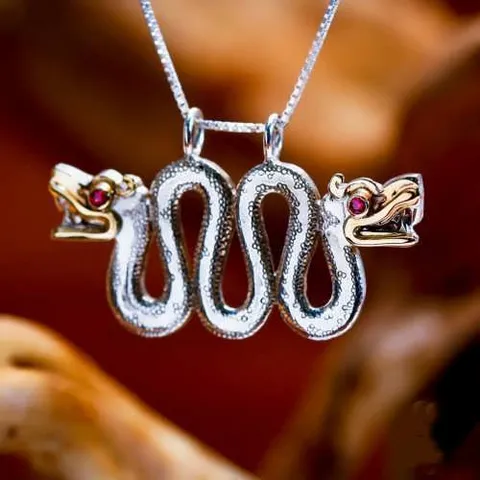
| Regarded as a monster in mythology, the Dragon is often connected with other animals like lions, serpents, birds, and lizards. The only difference it has with these animals is the fact that it breathes fire. Medieval European people regard it as more of a symbol of evilness and danger. In the Bible, the Dragon is equivalent to Satan. But in Eastern Asia, the Dragon is considered as the source of power and strength to fight hostility. | 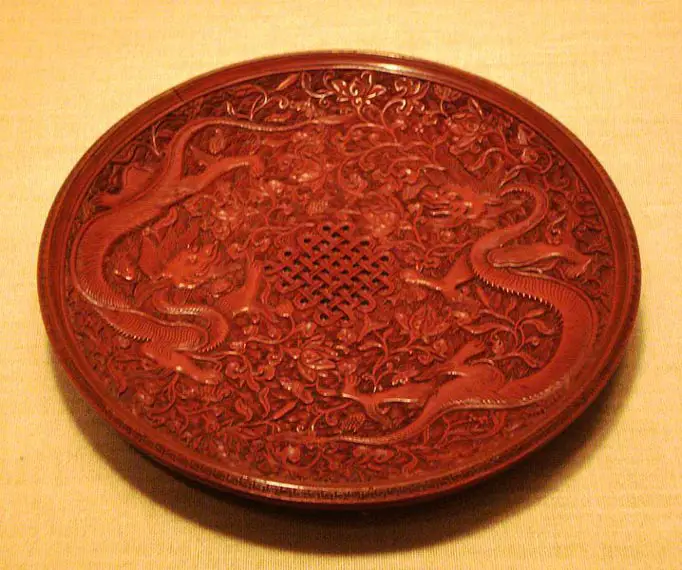 |
|---|
The Italian Horn
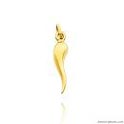 | For sexual power, the Italian Horn is one’s best partner. Otherwise known as the Wiggly Horn, Unicorn Horn, or the Leprechaun staff, this power symbol is worn in ancient Italy for protection against the evil eye. It was also associated with myths and beliefs of the Druids and the Celts. This symbol is best worn with a cross. |
|---|
The Lightning Bolt
| In the ancient world, the Lightning Bolt was often used by male gods – from the Norse to the Greeks to the Romans to the Native Americans – in order to punish those who had done wrong. On a more positive note, however, the symbol was also used in order to provide water to the land and to fertilize planet earth. But now, the Lightning Bolt is often seen in toys to denote supernatural power. | 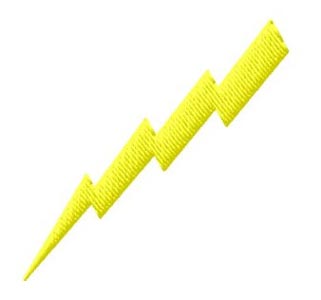 |
|---|---|
The Lio n n | |
| The Egyptians saw the lion as a symbol of power and wealth. The lion was used on tribe banners when Moses took the Israelites out of Egypt. Today, the roar of the lion is often associated with fearlessness. |
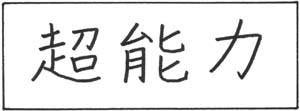 Kanji symbol for Supernatural Power**(Chounouryoku)**
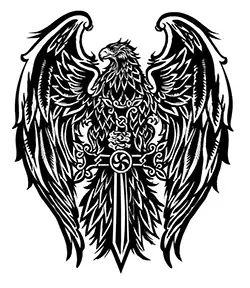 The Eagle
For ages, this majestic bird has been associated with power, authority, ferocity, immortality, protection, courage, strength, leadership, control and guardianship. It also represents perspicacity, spiritual understanding, ingenuity, swiftness, keen perception and divine wisdom. As it soars high up in the sky, it is believed to have ties with the powerful heavens and be a messenger of God. Different cultures have associated the eagle with their mythical gods; for instance, the ancient Romans linked it with Jupiter, the Greeks with Zeus and the Gothics with Odin. As a symbol of power and dominion, the Eagle has adorned the banner of several great empires that flourished throughout history.
 Horse
Horse
Symbolic association of the Horse with power is widespread across diverse cultures. The horse is considered an emblem of life-force. Several cultures believe it represents all the attributes of the four basic elements – Fire, Air, Water, and Earth. Commonly associated with war, the horse symbolizes valour, domination, virility, and endurance. The horse is accorded a place of honour in the history of civilization because of its companionship to man and its assistance in transportation, agriculture, productivity and other developmental activities.